
Best Photography Techniques for Modern Interior Spaces
Introduction
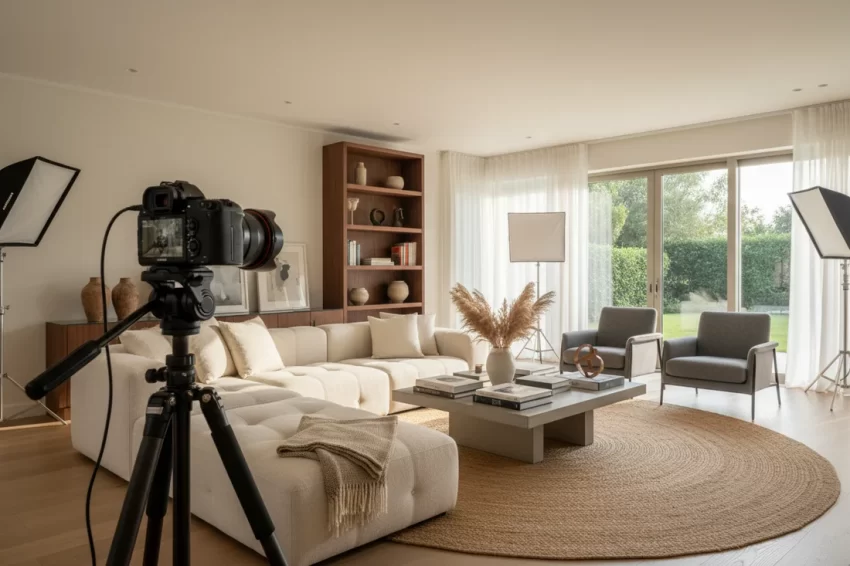
Modern interiors ask more from photography than simple room records. Clean lines, layered materials, and large glazing can confuse exposure and flatten depth. Strong results usually come from decisions made before the shutter moves. Interior images perform best when light direction, lens height, and styling cues support the room’s purpose. A calm method helps viewers read scale, texture, and circulation without distraction. That approach keeps photographs clear, inviting, and useful across editorial, design, and property needs.
Read The Space
Many design teams study how an Interior Photographer in Sydney handles glare, window detail, and compact urban layouts, because those issues shape daily assignments in modern spaces. Coastal sun can create hard contrast by midmorning, while deeper rooms may lose texture near rear walls. Careful timing, measured exposure, and selective lighting help preserve mood without forcing surfaces into an artificial look.
Define The Story
Each frame should answer one clear question. Is the image showing circulation, material quality, or spatial calm? A kitchen view may center workflow, while a hotel lounge may favor arrival lines and seating rhythm. Clear intent removes visual noise before setup begins. Furniture shifts of a few centimeters, hidden cords, and aligned chairs often improve readability more than any later edit on screen.
Time The Light
Natural light changes room character faster than many expect. East-facing spaces often peak early, while western glazing may perform better later in the day. Midday regularly pushes contrast beyond a comfortable range. Soft side light reveals timber grain, textile depth, and stone relief with less glare. Simple scouting notes, recorded by hour, can reduce reshoots and shorten decisions during a busy shoot.
Set Height And Lines
Camera height controls how honest a room feels. A lens placed near 120 to 140 centimeters often keeps counters, tables, and sightlines balanced. Lower positions can enlarge foreground pieces and weaken ceiling shape. Higher angles may compress seating zones and hide depth cues. Parallel verticals matter too, because leaning walls can make refined interiors feel unstable, cramped, or visually careless.
Balance Window Exposure
Windows should read as light sources, not blank rectangles. Bracketing two to four frames often keeps exterior detail without draining warmth from the room itself. Added flash works best when it stays subtle, with bounced output rather than direct bursts. Gentle fill can open shadowed joinery, yet heavy artificial light usually erases the atmosphere that gave the space its original appeal.
Style With Restraint
Styling works best when objects support use. A bowl, folded throw, or open book can suggest scale and routine, but crowded surfaces split attention too quickly. Repeating tones from artwork, rugs, and joinery creates rhythm across a full image set. Fresh flowers are common, though foliage with matte leaves often reflects less and holds shape longer under warm fittings or direct sun.
Show Depth
Single-point views rarely explain how people move through interiors. Doorways, partial partitions, and reflected sightlines help connect one zone to the next. Shooting from adjacent rooms can reveal sequence without making layouts feel cramped. Wide lenses have value, yet extreme width often bends edges and exaggerates distance. Moderate focal lengths usually deliver a truer sense of volume, proportion, and daily flow.
Edit For Belief
Post-production should refine, not rewrite. White balance needs consistency across the set, especially where daylight meets warm fittings. Small perspective fixes, dust cleanup, and modest contrast adjustments often carry enough weight. Heavy sharpening can make stone, paint, and fabric appear brittle. Viewers respond better when tones stay plausible and materials retain their original character, grain, finish, and visual temperature.
Conclusion
Successful interior photography relies on restraint, planning, and respect for spatial intent. Rooms look strongest when technique supports architecture rather than competing with it for attention. Timing, lens control, clean verticals, and believable editing form a repeatable system for modern spaces. With that structure in place, images can present comfort, precision, and character in equal measure. The result is photography that helps audiences understand how a space feels, functions, and invites daily use.



Leave a Reply