
7 Effective Professional Photography Tips
1. Understand Your Equipment Completely
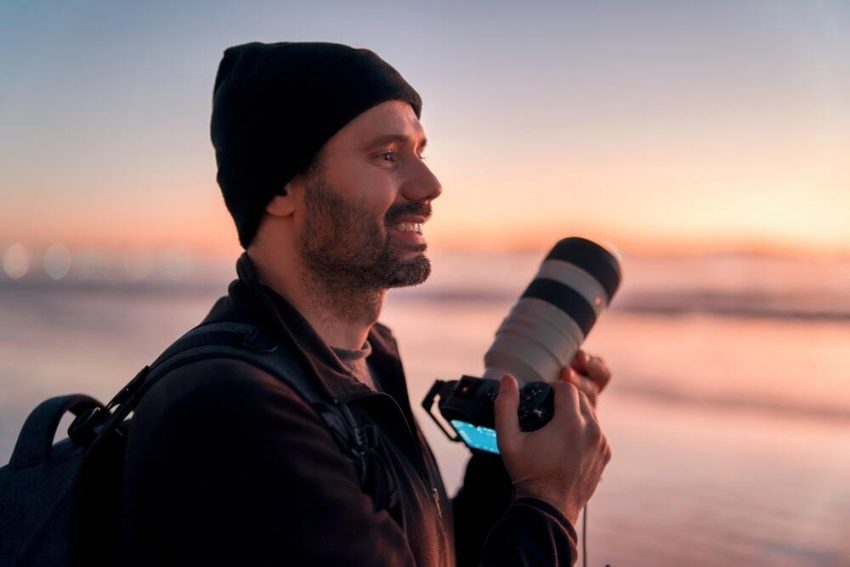
Professional photography begins with absolute mastery of your equipment. Knowing your camera inside and out—its buttons, settings, menus, and limitations—allows you to shoot confidently in any environment. Whether you are working with a DSLR or a mirrorless camera, your ability to adjust aperture, shutter speed, ISO, white balance, and focus modes quickly can make the difference between capturing a perfect moment and missing it. Familiarity with different lenses is equally important because each one tells a different visual story. Wide-angle lenses enhance landscapes and architecture, while prime lenses produce crisp portraits with beautiful background blur. When you fully understand your gear, you gain the creative freedom needed to deliver high-quality professional images.
2. Master Lighting for Every Situation
Lighting is what transforms an ordinary photo into a professional one. Whether you are working with natural light or artificial setups, you need to understand how light direction, softness, and intensity influence the mood and clarity of your images. Soft, diffused light—such as shade, cloudy weather, or a softbox—creates flattering results for portraits. Meanwhile, harsh or directional lighting adds drama and visual interest, making it ideal for fashion or artistic projects. Learning to manipulate reflectors, diffusers, and flash systems gives you greater control over your final image. Good photographers don’t fear low-light conditions—they adapt and use them creatively, using shadows, silhouettes, and highlights to tell deeper visual stories.
3. Develop Strong Composition Skills
Composition is the backbone of professional photography and determines how engaging an image feels. Techniques like the rule of thirds, leading lines, framing, symmetry, and negative space help structure your photos in a way that draws the viewer’s attention. However, true professionalism comes from knowing when to follow the rules and when to break them for artistic purposes. Placing subjects off-centre, shooting from unexpected angles, or using reflections can make your images stand out. Including rich foreground elements adds depth, while minimalistic compositions create elegance and simplicity. The more intentional your composition is, the more powerful and professional your visual storytelling becomes.
4. Build a Consistent Editing Style
Editing is an essential part of professional photography because it polishes your images and elevates your brand identity. Instead of over-editing, subtle adjustments to exposure, contrast, colour balance, sharpness, and skin tones can make your photos look clean and refined. Using tools like Lightroom, Photoshop, or Capture One enables precise editing and batch processing for consistent results. Developing your own editing style—whether warm and moody, bright and vibrant, or soft and natural—helps you stand out in a competitive market. Consistency across your portfolio makes your work memorable and instantly recognisable to clients.
5. Direct Your Subjects With Confidence
Professionals know that the success of a photoshoot depends heavily on how well they communicate with their subjects. Whether photographing models, couples, families, or corporate clients, giving clear guidance helps your subjects relax and perform naturally. Explain poses, demonstrate body angles, and provide gentle corrections. Offering encouraging feedback throughout the shoot increases confidence and results in more expressive and authentic images. Building rapport with your subjects creates trust, making it easier to capture the emotions and energy you want.
6. Pay Attention to Details
Small details can make or break a professional photograph. Before clicking the shutter, check for stray hairs, wrinkled clothing, uneven lighting, distracting background elements, or improper props. Adjusting these details ensures a clean and polished final image. Even in product or architectural photography, the smallest imperfection can reduce the perceived professionalism of your work. Taking the time to refine every element within the frame separates amateurs from professionals and helps you deliver flawless results.
7. Keep Learning and Evolving Your Craft
Professional photography is constantly evolving with new equipment, editing tools, styles, and creative approaches. Continuous learning—through workshops, tutorials, experimentation, and studying the work of other photographers—keeps your skills sharp and your creativity alive. Trying new genres, exploring different lighting setups, or challenging yourself with personal projects strengthens your artistic vision. The more you grow, the better equipped you become to handle diverse client needs and produce exceptional work.



Leave a Reply