
6 Useful Landscape Photography Tips
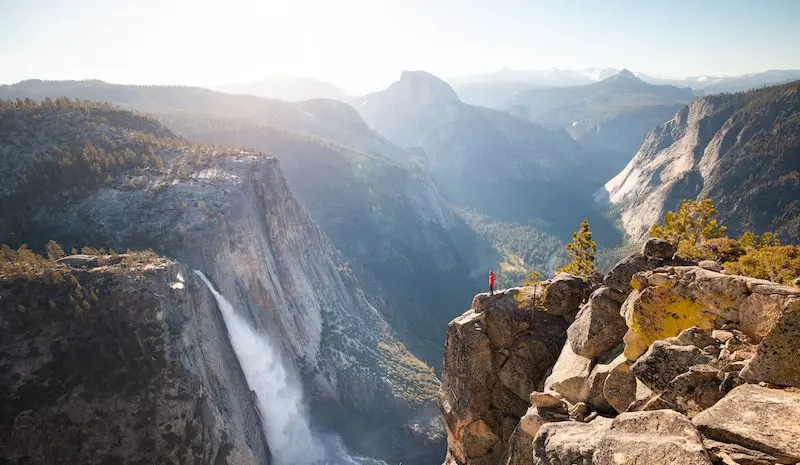
1. Plan Your Shoot and Understand the Location
Successful landscape photography begins long before you press the shutter. Planning is essential because outdoor conditions change quickly and dramatically. Studying the location in advance using maps, satellite views, or photography apps helps you understand terrain, lighting angles, and potential vantage points. Visiting the location before the actual shoot gives you a deeper sense of the environment—where the sun rises and sets, where shadows fall, and what features stand out. When you plan your timing according to the weather, season, and natural lighting, you increase your chances of capturing breathtaking landscapes. Good preparation also ensures you can safely reach your chosen spots without rushing or missing golden opportunities.
2. Shoot During the Golden and Blue Hours
Light is the heart of landscape photography, and the best moments to capture outdoor scenes are during the golden hour and blue hour. Golden hour occurs shortly after sunrise or before sunset, when the sunlight becomes soft, warm, and angled, creating long shadows and an enchanting atmosphere. This lighting enhances textures in mountains, trees, and water, giving your photos a magical glow. Blue hour, which happens just before sunrise or after sunset, offers cooler tones and even lighting that beautifully complements serene scenes like lakes, seascapes, and cityscapes. Shooting at midday often results in harsh shadows and flat images, so choosing these ideal times helps produce richer and more dramatic landscape photos.
3. Use a Tripod for Sharp, Clean Images
A tripod is one of the most essential tools for landscape photography because it provides stability and precision, especially when using slow shutter speeds. Landscapes often require long exposures to smooth water, capture moving clouds, or brighten low-light scenes. Handheld shooting in these conditions increases the risk of blur. A sturdy tripod can also help you fine-tune your composition with greater accuracy, allowing you to adjust framing carefully. Additionally, using the camera’s timer or a remote shutter helps eliminate vibrations, ensuring your images remain sharp and crisp.
4. Experiment With Composition for Visual Impact
Composition determines how compelling a landscape photograph feels. Using techniques like the rule of thirds helps balance your shot by placing key elements—such as mountains, trees, or horizons—along intersecting points. Leading lines, such as rivers, pathways, or fences, naturally guide the viewer’s eye deeper into the scene and create a sense of depth. Foreground interest is another powerful tool: adding rocks, flowers, or textured ground elements gives your image more dimension and draws attention into the frame. Experimenting with different angles, heights, and perspectives often reveals surprising and creative compositions that enhance the beauty of the landscape.
5. Adjust Your Camera Settings for Maximum Detail
Landscape photography thrives on clarity, sharpness, and depth. Using a smaller aperture such as f/8 to f/16 helps keep the entire scene in focus, from foreground to background. Keeping ISO low reduces noise, preserving the natural details of the environment. Shutter speed depends on your intent: faster speeds freeze motion, while slower speeds help create dreamy effects in water or clouds. Shooting in RAW format is highly recommended because it captures more information, allowing you to adjust exposure, contrast, and colour during editing without losing quality. With the right settings, your landscapes will maintain rich detail and vibrant realism.
6. Embrace Weather, Mood, and Natural Elements
Landscape photography becomes more powerful when you learn to work with the natural environment instead of waiting for perfect conditions. Mist, fog, rain, wind, and storms all bring unique atmosphere and mood to your images. Clouds create drama, rain saturates colours, and mist adds mystery. Even overcast skies can produce soft lighting that beautifully highlights textures in forests and mountains. Being open to weather changes allows you to capture scenes that feel more emotional and connected to nature. Safety should always come first, but embracing unpredictable conditions can lead to extraordinary photographs that stand out from typical sunny-day images.



Leave a Reply