
5 Fab Fashion Photography Tips
1. Master the Art of Lighting
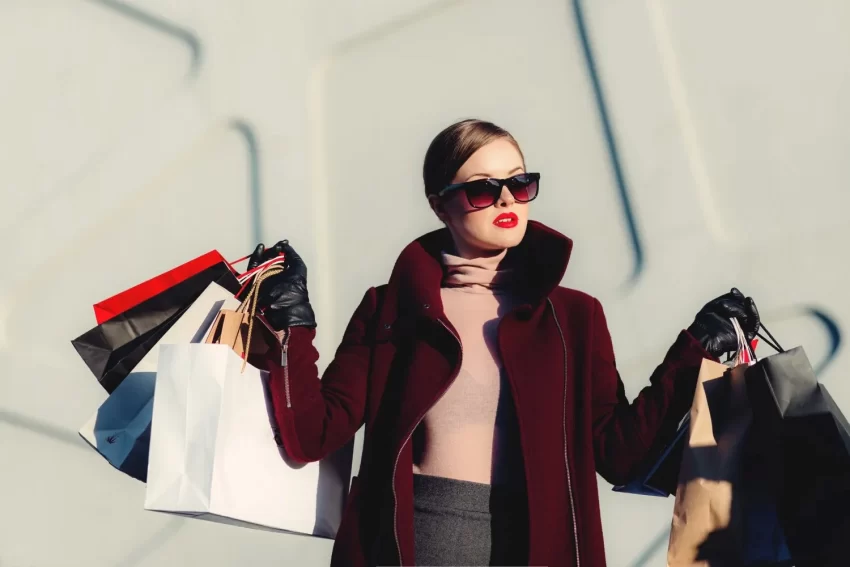
Lighting is the soul of fashion photography because it defines textures, shapes, colours, and the overall mood of the image. Whether you are shooting in a studio or outdoors, the right lighting can elevate an ordinary outfit into a striking visual statement. Soft, diffused lighting works beautifully for editorial-style images, creating a smooth and luxurious look on fabrics and skin. Hard lighting, on the other hand, adds drama and sharpness—perfect for bold or high-fashion concepts. Experimenting with natural light during golden hour can produce warm, glowing tones that complement fashion themes, while studio lighting offers full control through softboxes, reflectors, and LED panels. Understanding how different lighting setups influence the final image allows you to highlight the clothing in its best form and bring out the model’s features with finesse.
2. Focus on Composition and Creative Angles
Fashion photography demands more than simply placing a model in front of a camera; it requires framing each shot with artistic intention. Using the rule of thirds, symmetry, or leading lines can help guide the viewer’s eye toward the clothing or accessories being showcased. Creative angles play a major role in adding personality to your shots. Shooting from a low angle can make the model appear taller and more powerful, which enhances the impact of long gowns or streetwear. Shooting from above, meanwhile, creates a more delicate and editorial vibe. Even slight camera tilts add dynamic tension and modern flair. Incorporating foreground elements like flowers, curtains, or architectural structures adds depth and dimension to the image, creating a fashion-forward aesthetic. Every composition choice should support the story you’re trying to tell through the clothing.
3. Choose the Right Location and Background
In fashion photography, location is more than a backdrop—it becomes part of the brand message and storytelling. A model wearing glamorous evening wear looks best in an elegant indoor setting or an urban nightscape filled with lights, while bohemian outfits shine outdoors among nature. The location should complement the style, colour, and message of the clothing rather than distract from it. Clean, uncluttered backgrounds help the outfit stand out, while textured settings such as brick walls, sandy beaches, or vintage interiors add richness to the overall vibe. When shooting outdoors, check the weather, lighting, and crowd conditions to ensure the environment enhances, rather than complicates, the shoot. A well-planned location elevates the final image and connects the viewer more deeply to the fashion story.
4. Direct Your Model With Confidence and Clarity
A fashion photographer is also a visual director, responsible for bringing out the model’s best expressions, poses, and gestures. Even experienced models appreciate clear direction because it helps them align their performance with the creative vision. Communicate openly about the concept, mood, and energy you are aiming for. Encourage natural movement such as walking, turning, adjusting clothing, or playing with hair to create authentic, fluid images. Guide the model on posture—elongating the neck, shifting weight, or relaxing the shoulders—to achieve flattering angles. Paying close attention to hand placements, expressions, and body language ensures that every detail contributes to the story. A confident photographer brings out confident poses, which is essential for showcasing fashion effectively.
5. Highlight Details and Tell a Visual Story
Fashion photography is as much about storytelling as it is about capturing clothing. Close-up shots of accessories, stitching, fabric textures, and makeup details bring richness and variety to the final collection of images. These detail shots help elevate the brand’s visual identity and show craftsmanship that might be missed from wider angles. Beyond details, storytelling is what makes fashion imagery memorable. Whether your concept is vintage glamour, street style energy, futuristic minimalism, or boho freedom, every element—from the model’s expression to the props and colour palette—should align with the theme. Using consistent styling, coordinated tones, and purposeful props gives the audience a sense of narrative, making the fashion feel more relatable and aspirational.
Leave a Reply