
10 Wedding Photography Tips for Amateur Photographers
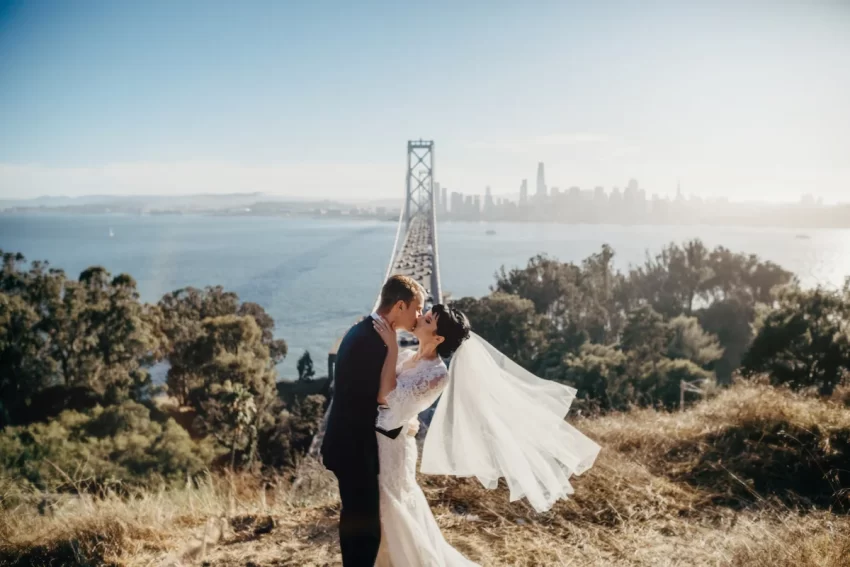
Wedding photography is perhaps one of the most rewarding yet difficult forms of photography in which to practice, particularly for those who have only recently started their career. Shooting a couple’s special day is far more than pointing and shooting anything you can see. It requires preparedness, ingenuity, speed and familiarity with handling pressure. There are critical secrets that can boost confidence and quality of work in newbies. If they do it right, amateur photographers can produce awesome looking images that the bride and groom will love forever.
First and foremost is being aware of the day’s timeline and to plan accordingly. An amateur photographer, they said, should also meet the couple upfront to see what the venue looks like and so that they can check out how those spots will look two hours later at dusk, plan where the lighting will come from, develop a sense of all the “moments” over which you have no control (entry, first kiss or vows spoken or ring exchange or seating complexity) and their patterns of repetition (today there are about a thousand videos of 33 guests doing X, as bride enters). It also means nothing important gets skipped, and the photographer has the time and headspace to think about angles, lens choice and what to do if a backup option is needed. In addition to planning, I would say that it’s also crucial to be able to scout the location in advance. Pacing the ceremony and reception sites is also a great way to find natural lighting, good backdrops and portrait spots. A photographer will feel more comfortable knowing where to shoot on the day of, and they will have more creative options they are excited about.
The other is good at mastering lighting, because weddings usually face mixed lighting situations (daylight, indoor light, stage lamp). Amateur photographers try to utilize natural light more as it generates a softer and more adoring picture. The use of a diffuser, or bouncing flash off the walls or ceiling, prevents harsh shadows when shooting indoors. By working on these before your big day, the last thing you want is the photographer struggling with bad light at a moment that definitely counts. Understanding how to control manual camera settings is just as important as lighting. I shoot in manual mode because I have full control over exposure, aperture and ISO and can adjust quickly to the changing light.
Wedding PhotographyIt is also the matter of capturing emotions, that which is accomplished by shooting not just only posed clicks but candid ones too. It’s authentic laughter, genuine smiles and tears and moments of pure happiness shared between friends and family members that bring life to the wedding album. Budding photographers need to stay on the ball at all times,” he said Making sure you can predict where an emotional moment will happen, and staying prepped with your settings.” Do not, however, overlook the portraits of the couple. Directing the couple into easy poses, asking them to relax and capturing those flattering angles, contribute to beautiful romantic pictures that always look natural with no stiffness.
Another key point: shoot more than you need. Weddings are unpredictable, and the more times you shoot each moment, the more chances you will have of capturing that one perfect image. Continuous shooting mode during key times like the walk down the isle, or dancing can capture facial expressions that would otherwise be lost. Be sure to back up photos regularly throughout the event. Using two memory cards, having spare batteries and uploading pictures on a laptop during lunch breaks mean no moment is lost to technical glitches.
So, not only is being invisible going to get a better result for the photographer in terms of being able to capture that animal’s personality, you’re also just respecting the rhythm of what’s happening and how the day or evening wants to flow. Continue to shoot quietly, avoid standing in the way of guests sightlines and rituals and your presence will soon become invisible, allowing you to capture these natural moments without interference. Effective communication, of course, is a huge factor. Speaking to the couple seeing their wishes and contacting fellow vendors such as planner or videographer so that we all work comfortably during the day.
And in the end, editing is where the magic happens with a set of images. If you’re an amateur, work on basic editing techniques which involves colour correction, exposure adjustments, cropping and skin retouching. Applying the same edit to all of our photos keeps our wedding albums looking consistent and makes them appear more professional. But, don’t over edit at all, strive for natural and timeless images.
So there you have it, when it all comes together wedding photography for beginners is not so difficult as long as preparation, technical know-how, creativity and socialising are combined. By knowing the itinerary, location scouting, being a lighting master, directing poses, catching candid moments and nailing it in plenty of frames but also by backing up files and treating everyone on-site with respect while having great communication skills as well as finishing images with clean editing to have those beautiful heirloom wedding day storytelling captures remain that way for a very long time! These hacks will let beginners feel confident and have a family they can cherish for years to come.
Leave a Reply